How Temperature and Humidity Affect Ceramic Coating Bonding
Ceramic coating is one of the most effective ways to protect your vehicle's paint from UV rays, environmental contaminants, and everyday wear. But here is something most car owners don't realize: the product itself is only part of what determines how well it performs. The conditions during application matter just as much. Temperature and humidity directly affect how ceramic coating bonds to your paint, and if either one is off during the process, the results can range from a slightly uneven finish to a coating that fails entirely.
To put it plainly: ceramic coating bonds best when applied between 50°F and 85°F with relative humidity between 40% and 60%. At Right Choice Auto Spa in Sunrise, FL, every ceramic coating we install is applied with environmental conditions in mind, because we understand that getting the chemistry right is what separates a coating that lasts from one that doesn't.
Why Environmental Conditions Matter to the Bonding Process
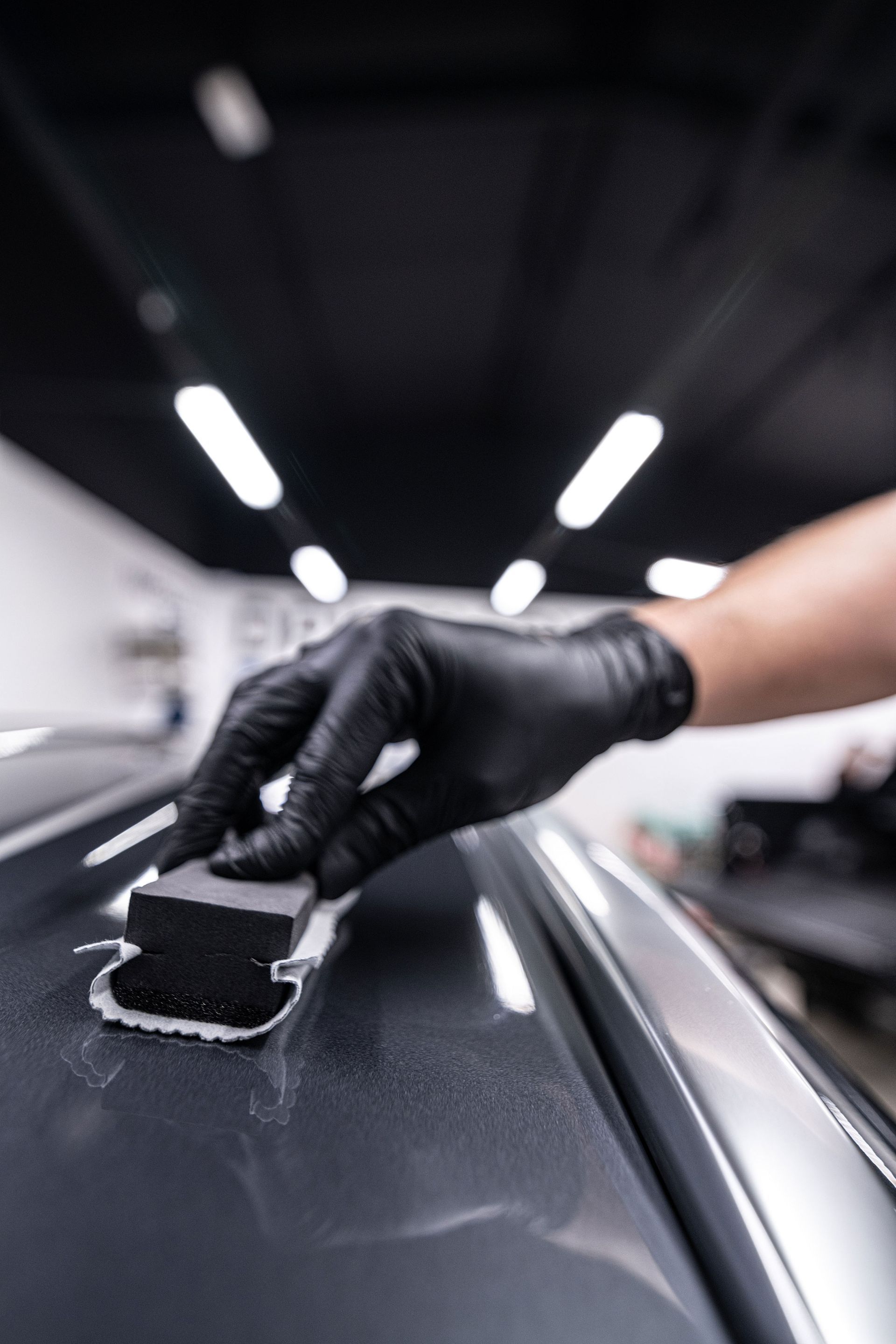
Ceramic coating is a liquid polymer, primarily composed of silicon dioxide (SiO2), that chemically bonds with your vehicle's factory paint to form a hard, protective layer. For that chemical bond to form correctly, the coating needs to flow evenly, adhere to the surface, and cure to full hardness without interference.
Two environmental variables determine whether that happens: temperature and humidity. Temperature controls how the coating flows and how quickly the curing reactions occur. Humidity controls how moisture in the air interacts with the coating and the surface underneath it. When both are within the right range, the coating performs exactly as designed. When either one is out of range, the chemistry breaks down in ways that are difficult or impossible to fix after the fact.
How Temperature Affects Ceramic Coating Bonding
The Ideal Temperature Range
The recommended temperature window for ceramic coating application is between 50°F and 85°F (10°C to 30°C). Within that range, the coating maintains the right consistency to spread evenly, adhere to the paint, and cure at a controlled rate. The tighter sweet spot falls between 60°F and 80°F, where conditions are most stable and forgiving.
Here is a quick reference for how temperature affects the outcome:
| Temperature | Effect on Bonding |
|---|---|
| Below 50°F (10°C) | Coating thickens; bonding weakens; curing slows significantly |
| 50°F to 85°F (10°C to 30°C) | Optimal range; proper flow, adhesion, and cure speed |
| Above 85°F to 90°F (30°C+) | Rapid solvent evaporation; streaks; poor leveling; weak bond |
What Happens When It Is Too Cold
Cold temperatures cause the ceramic coating to thicken, making it much harder to spread evenly across the surface. When the coating can't flow freely, it doesn't level properly, and the result is an inconsistent layer with thin spots and potential adhesion gaps.
Beyond the application itself, cold conditions slow the curing process significantly. Curing is a chemical process that requires energy, and low temperatures reduce the rate at which the coating's molecules crosslink and harden. A coating that cures too slowly in cold conditions may never reach its full hardness, leaving behind a weaker bond and reduced long-term protection. Cold substrates also resist adhesion on a physical level, similar to trying to apply glue to a refrigerator-cold surface where materials simply won't stick as well.
What Happens When It Is Too Hot
On the opposite end, excessive heat introduces a different set of problems. When temperatures push above 85°F to 90°F, the solvents in the coating evaporate too quickly. This cuts short the leveling window, meaning the coating hardens before it has had time to self-level across the surface. The result is visible streaks, high spots, and an uneven texture that compromises both the appearance and the protective layer.
Hot panel surfaces, especially after sitting in direct sunlight, amplify this problem significantly. Even if the ambient air temperature is within range, a panel that has been baking in the Florida sun can be 20°F to 30°F hotter than the surrounding air. That is why panels always need to cool down to ambient temperature before any coating is applied. Rapid thermal expansion of the substrate can also cause an already-applied coating to cure unevenly, creating stress points in the layer that lead to cracking or delamination over time.
How Humidity Affects Ceramic Coating Bonding
The Ideal Humidity Range
Optimal relative humidity for ceramic coating application falls between 40% and 60%. Within that range, solvent evaporation happens at the right pace, the surface stays free of moisture contamination, and the coating cures to its full hardness.
Here is how different humidity levels affect the process:
| Humidity Level | Effect on Application |
|---|---|
| Below 30% | Solvents evaporate too fast; coating can't self-level; inferior finish |
| 40% to 60% | Ideal range; proper adhesion, leveling, and cure |
| Above 70% | Extended cure time; water spots; surface haze; weak bond |
What High Humidity Does to the Bond
High humidity is one of the most common causes of ceramic coating failure, and it is particularly relevant in South Florida where summer humidity regularly climbs above 80%. When humidity is elevated, several things happen simultaneously.
First, airborne moisture settles on the vehicle's surface and acts as a contamination barrier between the coating and the paint. The coating needs a clean, dry substrate to bond with, and even a thin film of moisture disrupts the chemistry. This is what causes fish eyes, pinholes, and areas of coating failure that often don't become visible until after the vehicle leaves the shop.
Second, high humidity slows solvent evaporation inside the coating itself. Slow evaporation sounds harmless, but it causes the coating to stay soft and tacky for longer than intended. A coating that can't release its solvents properly never achieves its designed hardness, which means reduced scratch resistance and shorter lifespan.
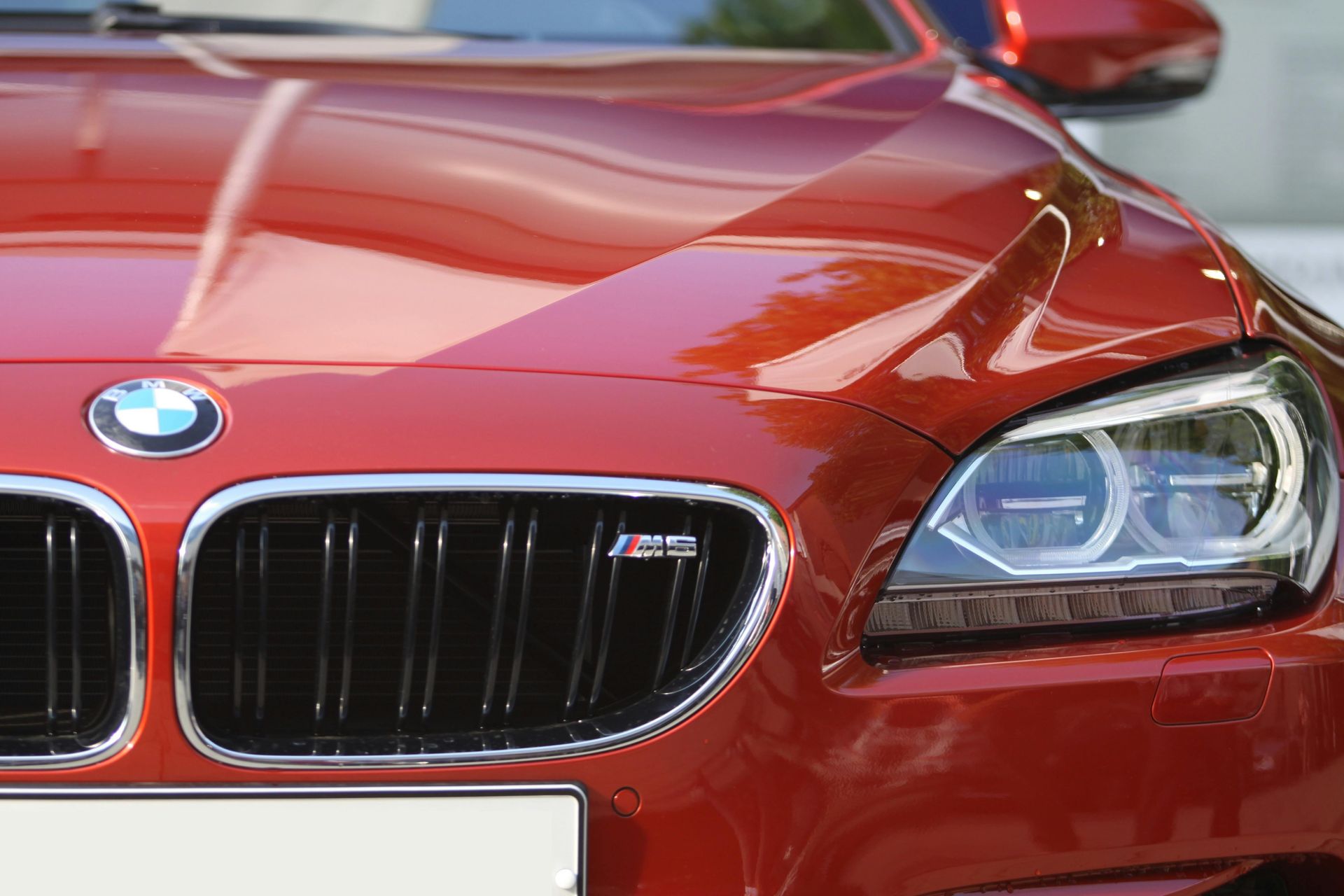
Third, elevated humidity can produce a visible surface haze or cloudiness in the finished coating. High humidity can result in cloudy or streaky finishes that affect the overall appearance of the vehicle and cannot be buffed out without compromising the coating layer underneath.
The Curing Phase: Where Conditions Matter the Most
Many vehicle owners think the job is done once the coating is applied and the vehicle looks good. In reality, the curing phase is where the bond is truly formed, and it is just as sensitive to temperature and humidity as the application itself.
After application, the ceramic coating goes through a multi-stage curing process. The initial flash cure happens within the first few hours, but the coating continues to harden and develop its full chemical bond over the following days. Keeping the vehicle in a stable, controlled environment during this period is critical.
Elevated humidity during curing can cause moisture to become trapped within the coating layer as it hardens. That trapped moisture interferes with the final hardness and adhesion of the coating, often in ways that won't be visible until the coating begins failing weeks or months later. High temperatures during curing can accelerate the process too aggressively, causing the coating to shrink or crack as it hardens too quickly. On the other end, if temperatures drop too low during curing, the coating may never reach its full hardness within the recommended window, resulting in a permanently soft and underperforming layer.
After application, the vehicle needs to stay away from rain, condensation, car washes, and direct sun exposure for the initial cure window, typically 12 to 24 hours at minimum, and longer for full hardness development.
Why Professional Application in a Controlled Environment Makes the Difference
This is where the gap between a DIY kit applied in a driveway and a professionally installed coating becomes very clear.
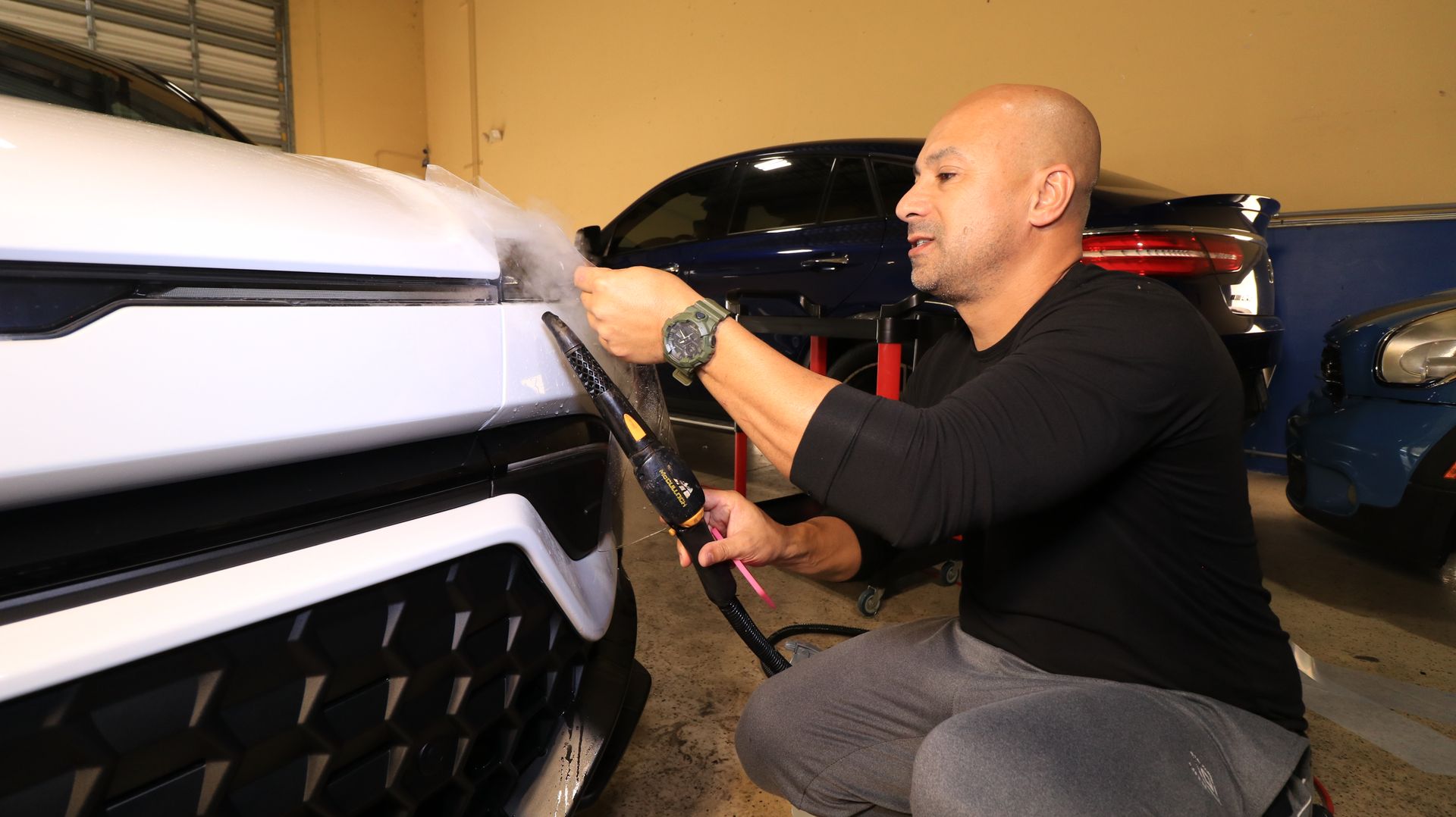
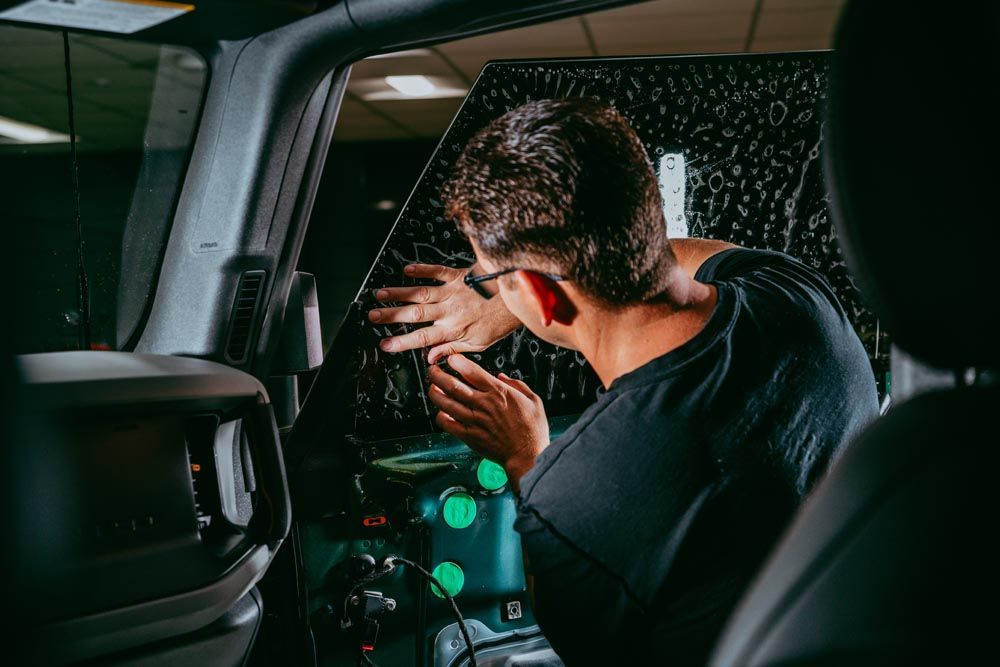
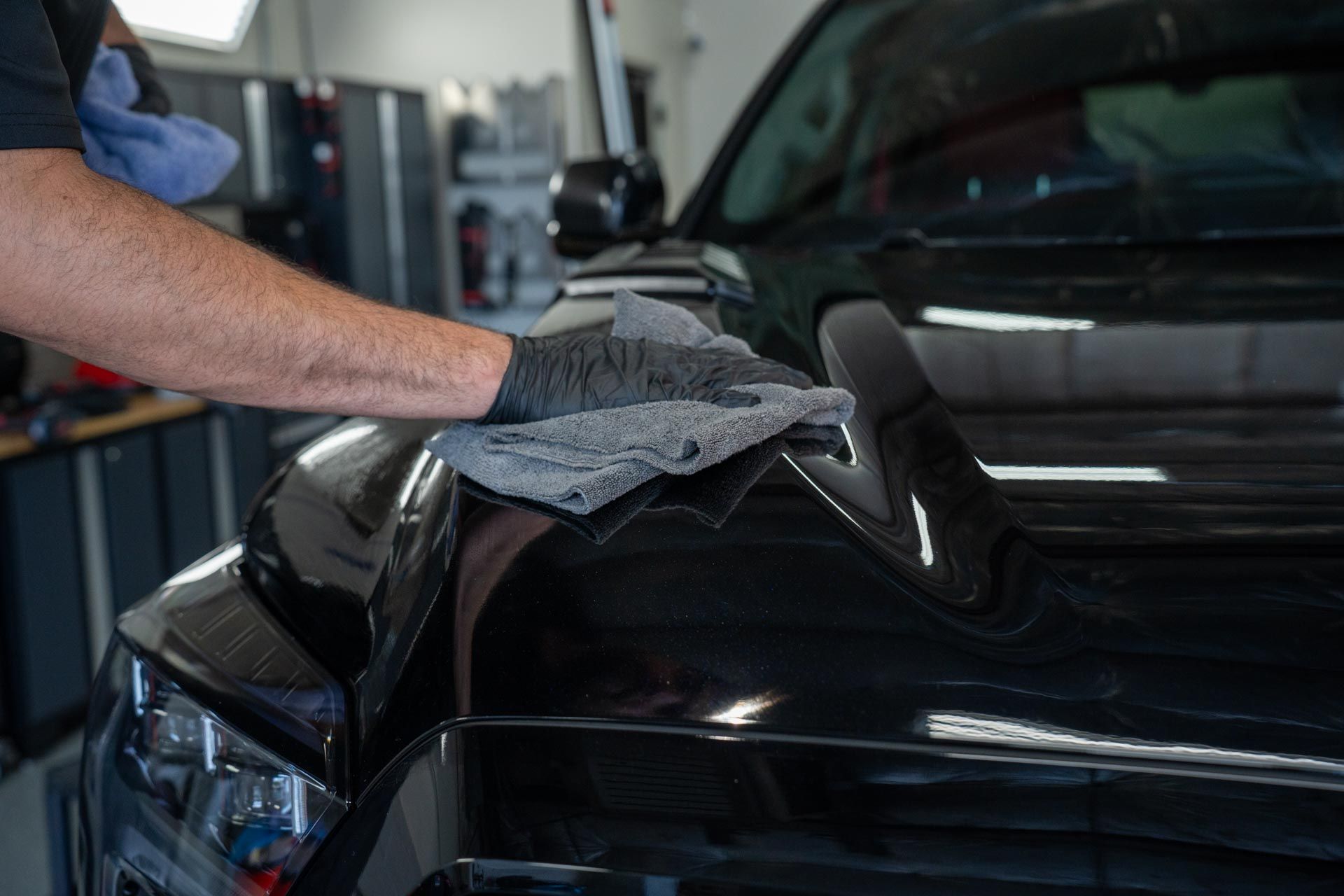
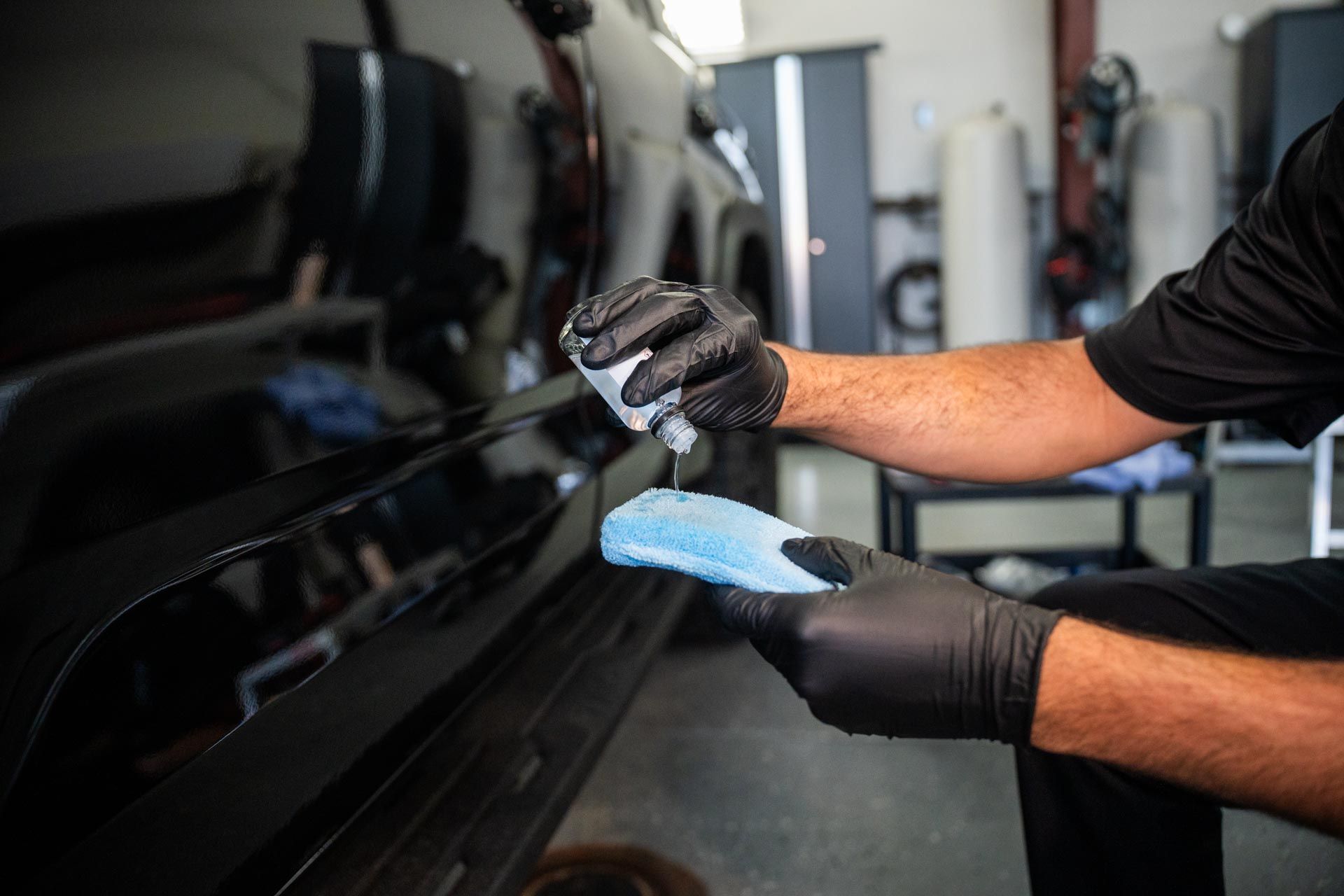
At Right Choice Auto Spa, we apply every ceramic coating inside our facility at 10044 NW 46th St in Sunrise, FL. Working indoors allows us to control the variables that determine how well the coating bonds. We are not at the mercy of afternoon humidity spikes, midday heat, or unexpected weather, all of which are facts of life in South Florida. Our indoor environment lets us manage surface temperature, ambient humidity, and airborne contaminants throughout both the application and the initial cure phase.
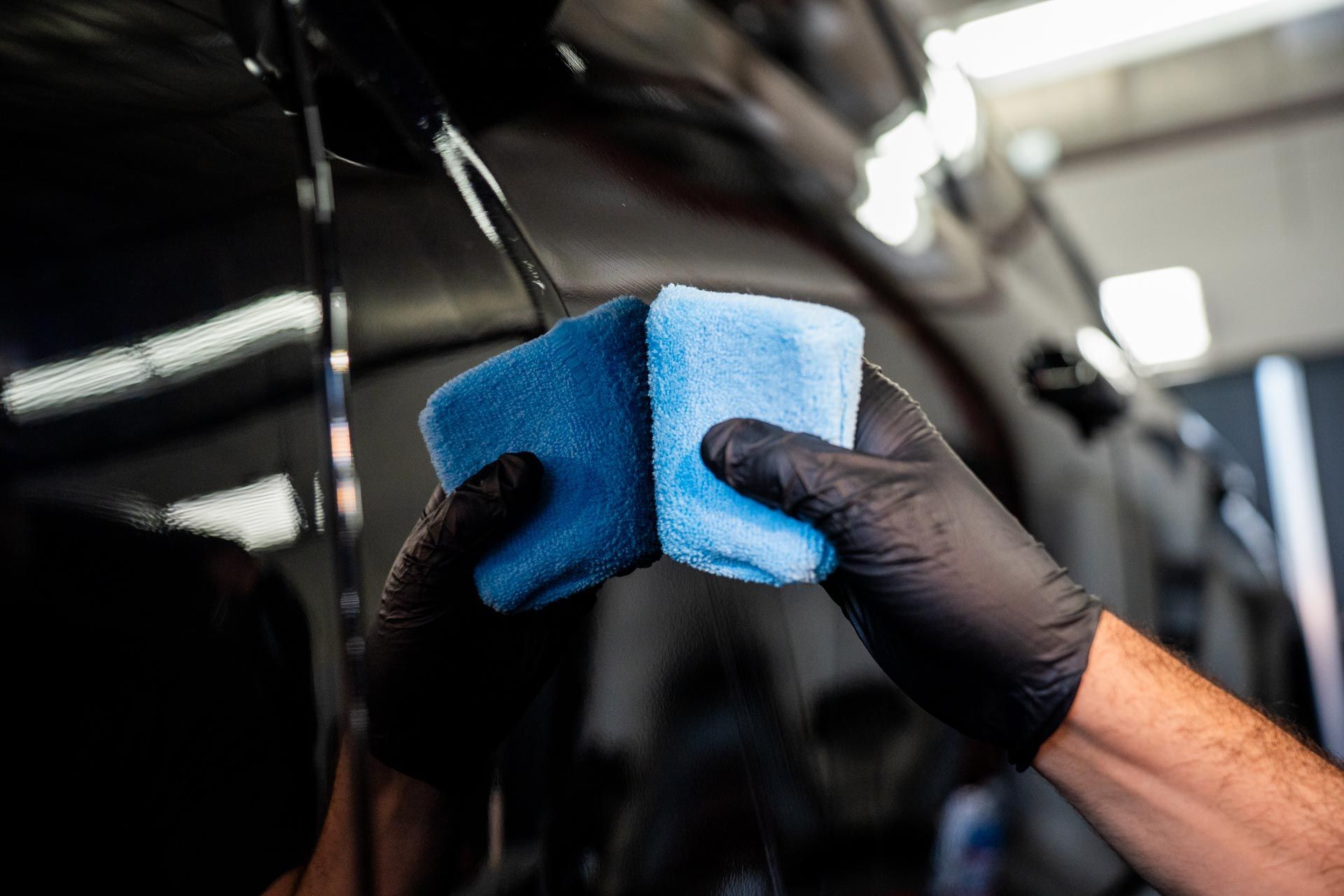
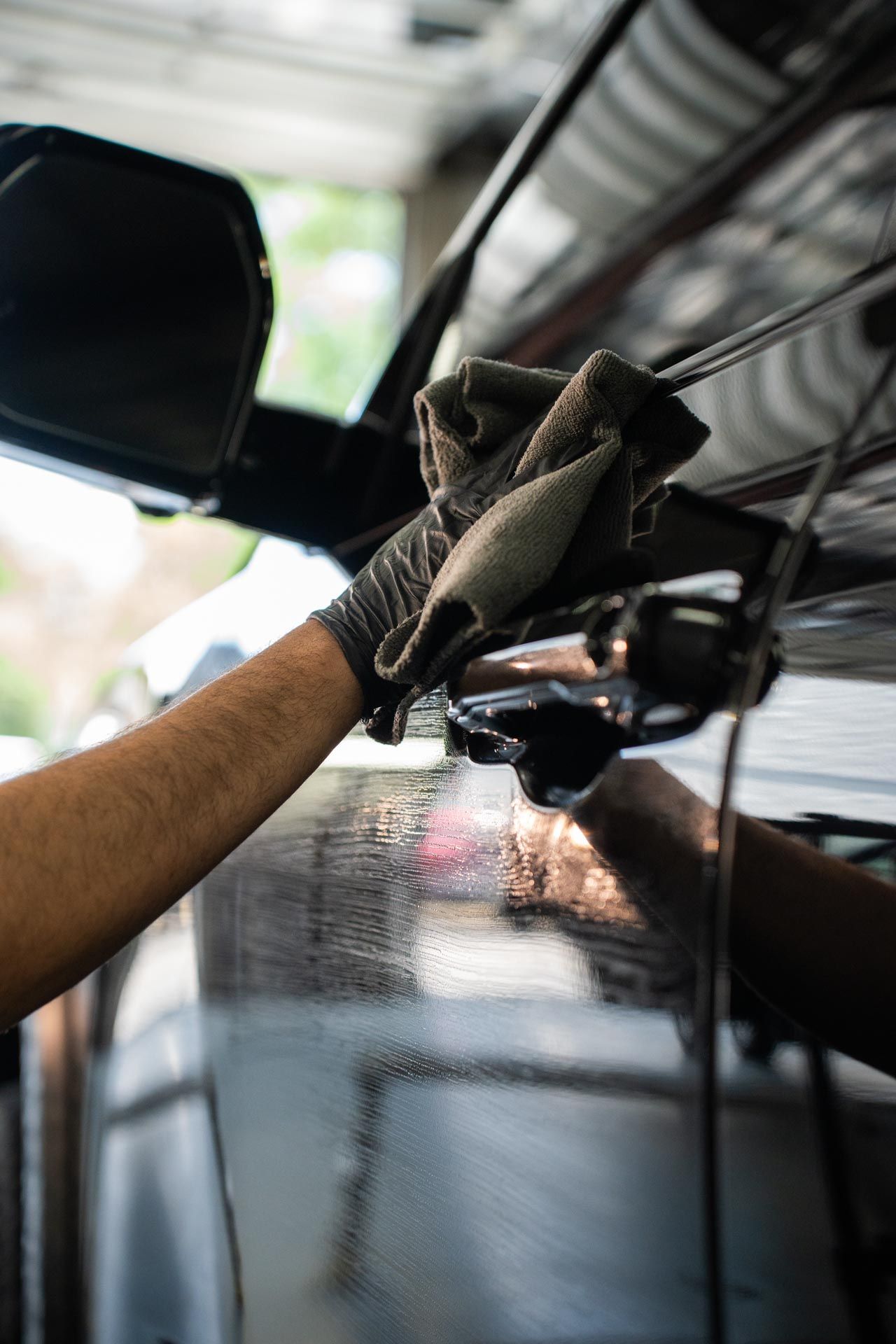
We use XPEL Fusion Plus ceramic coating, a product we are certified to install, and we apply it only after a thorough multi-stage surface preparation process. That process includes a triple decontamination wash, clay bar treatment, and paint correction to remove any contaminants, surface imperfections, or oxidation that could compromise the bond. No coating, regardless of how good the product is, will bond correctly to a surface that hasn't been properly prepared.
The combination of a prepared surface, correct environmental conditions, and a certified application process is what allows us to back our ceramic coating packages with multi-year durability. Our Premier package includes a 3-year ceramic coating starting at $1,100, and our Luxury package extends coverage to all automotive glass, wheel faces, headlights, and taillights. Both packages include a complimentary exterior detail one month after installation to verify the coating is performing as expected.
If the conditions aren't right, we don't apply the coating. That standard is what our customers are paying for when they choose us.
Ready for a Ceramic Coating That's Done Right?
Temperature and humidity are not just background details. They are active factors in whether your ceramic coating bonds correctly, cures to full hardness, and delivers the protection and gloss it is designed to provide. A coating applied in the wrong conditions may look fine initially and fail quietly over the following months, leaving your paint unprotected and your investment wasted.
At Right Choice Auto Spa, we handle every step of the process with that standard in mind, from surface prep and environmental conditions at application to the follow-up detail one month after installation. If you are ready to protect your vehicle with a ceramic coating done under the right conditions, reach out to our team in Sunrise, FL to request a quote. Call us at (954) 300-3996 or visit us at 10044 NW 46th St, Sunrise, FL 33351.
Frequently Asked Questions
What is the ideal temperature for ceramic coating application?
The recommended temperature range for ceramic coating application is between 50°F and 85°F (10°C to 30°C), with the optimal window falling between 60°F and 80°F. Temperatures outside this range affect how the coating flows, adheres, and cures, and can lead to a weaker or uneven bond.
Can ceramic coating be applied in the rain or high humidity?
No. Rain introduces direct moisture contamination to the surface, and high humidity creates similar problems on a subtler level. Humidity above 70% significantly increases the risk of improper bonding, surface haze, extended cure times, and water-related imperfections in the finished coating. Application should only proceed when humidity is between 40% and 60%.
What happens if ceramic coating is applied in cold weather?
Cold temperatures cause the coating to thicken, making even application difficult. They also slow the curing process significantly, which can result in a weaker bond and reduced protection. If the coating never cures to its designed hardness, it will not provide the scratch resistance, hydrophobic performance, or durability it is rated for.
How long does ceramic coating need to cure after application?
The initial cure phase typically requires 12 to 24 hours in a controlled environment free from moisture and direct sunlight. Full chemical hardening continues for several days beyond that. During the early cure window, the vehicle should be kept away from rain, car washes, heavy dew, and prolonged sun exposure.
Does direct sunlight affect ceramic coating bonding?
Yes. Direct sunlight heats the panel surface well above ambient air temperature, which causes the coating to cure too quickly before it has leveled. This leads to streaks, high spots, and an uneven protective layer. Panels should always be allowed to cool to ambient temperature before coating is applied.
What humidity level is too high for ceramic coating?
Humidity above 70% creates conditions where moisture in the air can settle on the surface and interfere with the chemical bonding process. It also slows solvent evaporation inside the coating, preventing proper hardening. The safe working range for humidity is between 40% and 60% relative humidity.