Curing Time Unveiled: How Long Does Ceramic Coating Take to Cure?
You've just invested in a ceramic coating for your vehicle, congratulations! But now comes the waiting game. Understanding how long ceramic coating takes to cure is crucial to ensuring you get the maximum protection and longevity from your investment. While many assume the coating is fully cured the moment the detailer hands back the keys, the reality is far more complex. The curing process involves multiple stages, each requiring specific care and attention to achieve that coveted 9H hardness and hydrophobic properties.
In this comprehensive guide, we'll break down the science behind
ceramic coating curing, the three distinct stages of the process, and the critical "golden rules" you must follow to protect your coating during its most vulnerable period.
Understanding the Ceramic Coating Bonding Process
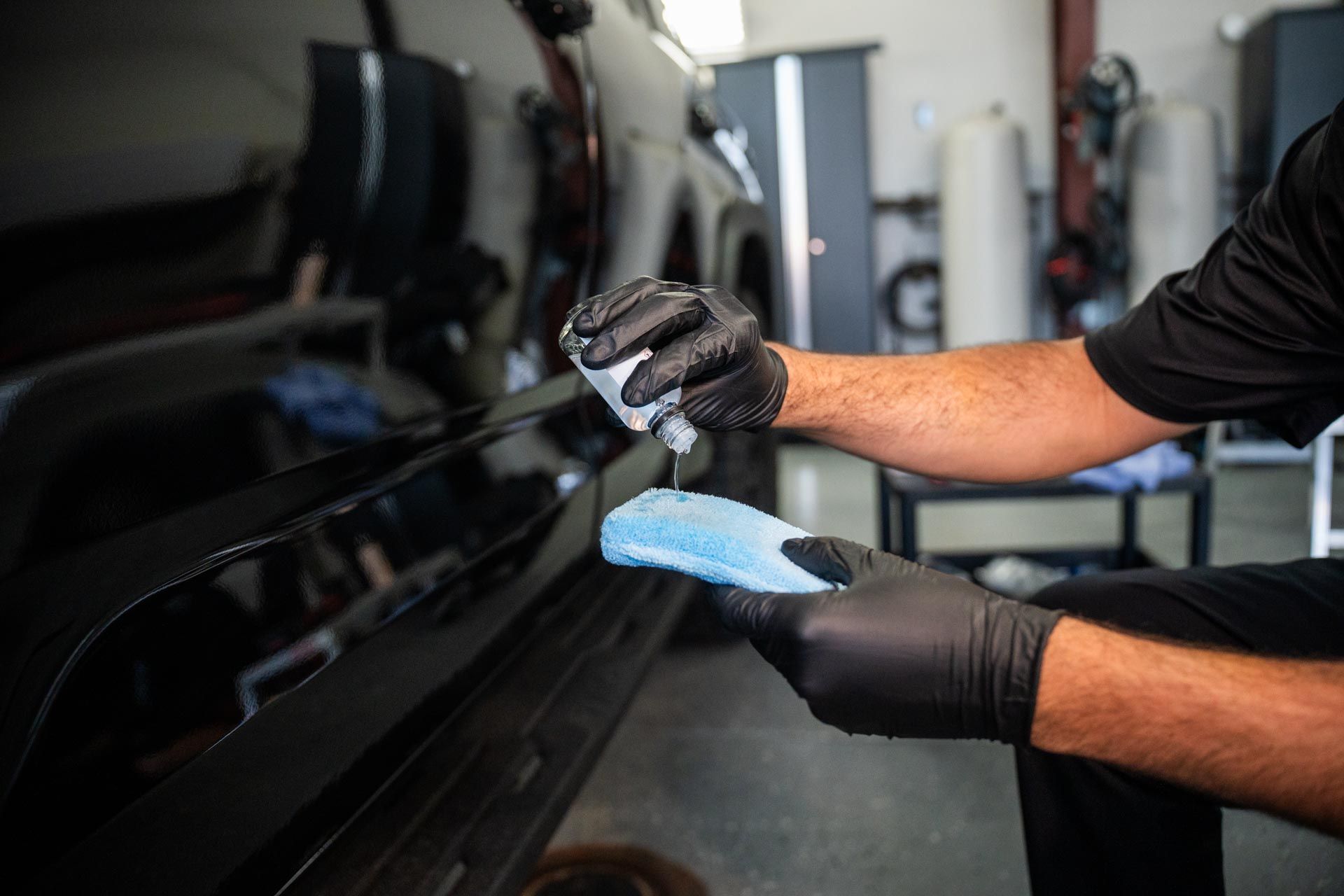
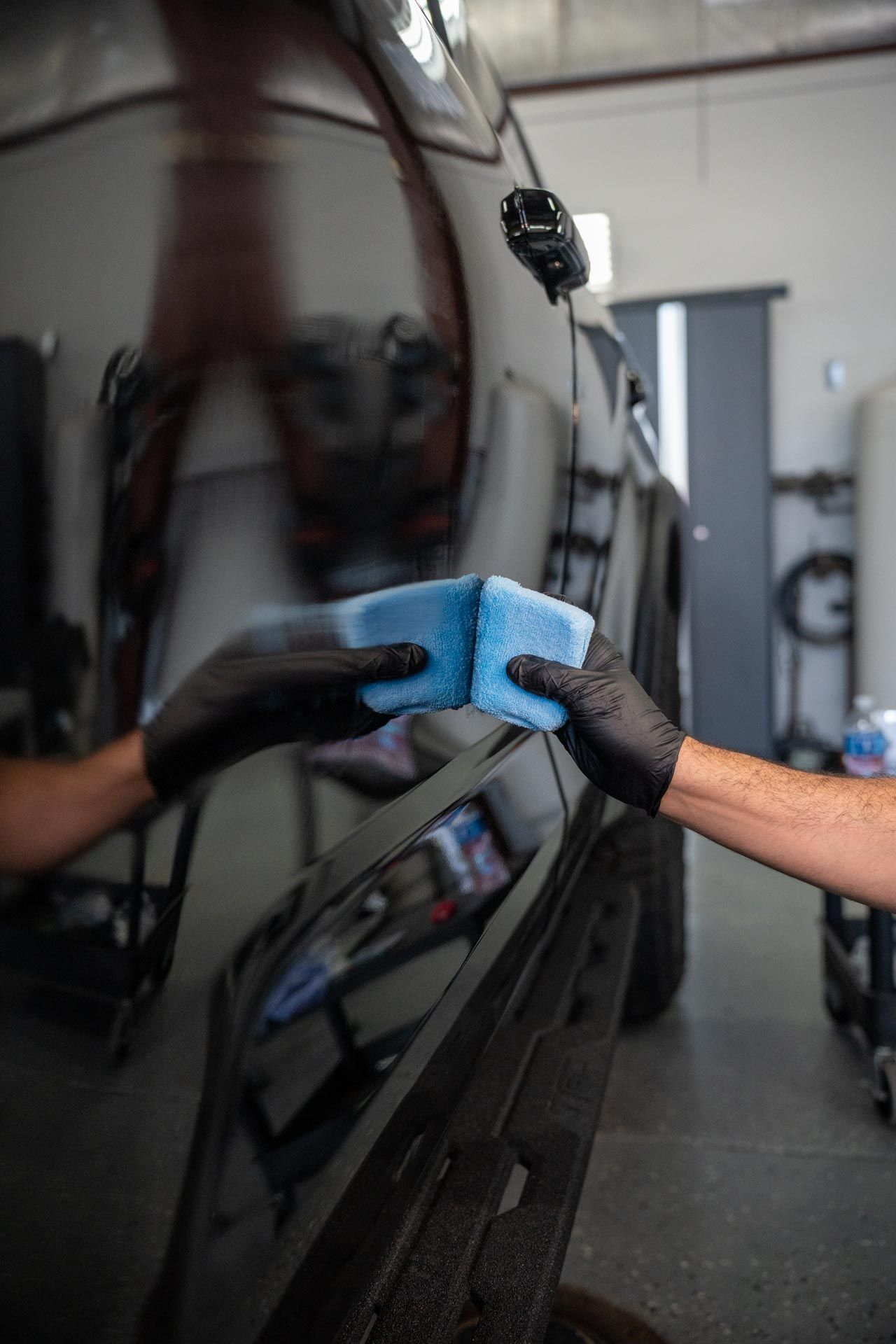
Before diving into timelines, it's essential to understand what's actually happening when ceramic coating is applied to your vehicle. Unlike traditional wax or sealants that sit on top of the clear coat, ceramic coating creates a permanent chemical bond with your vehicle's paint surface.
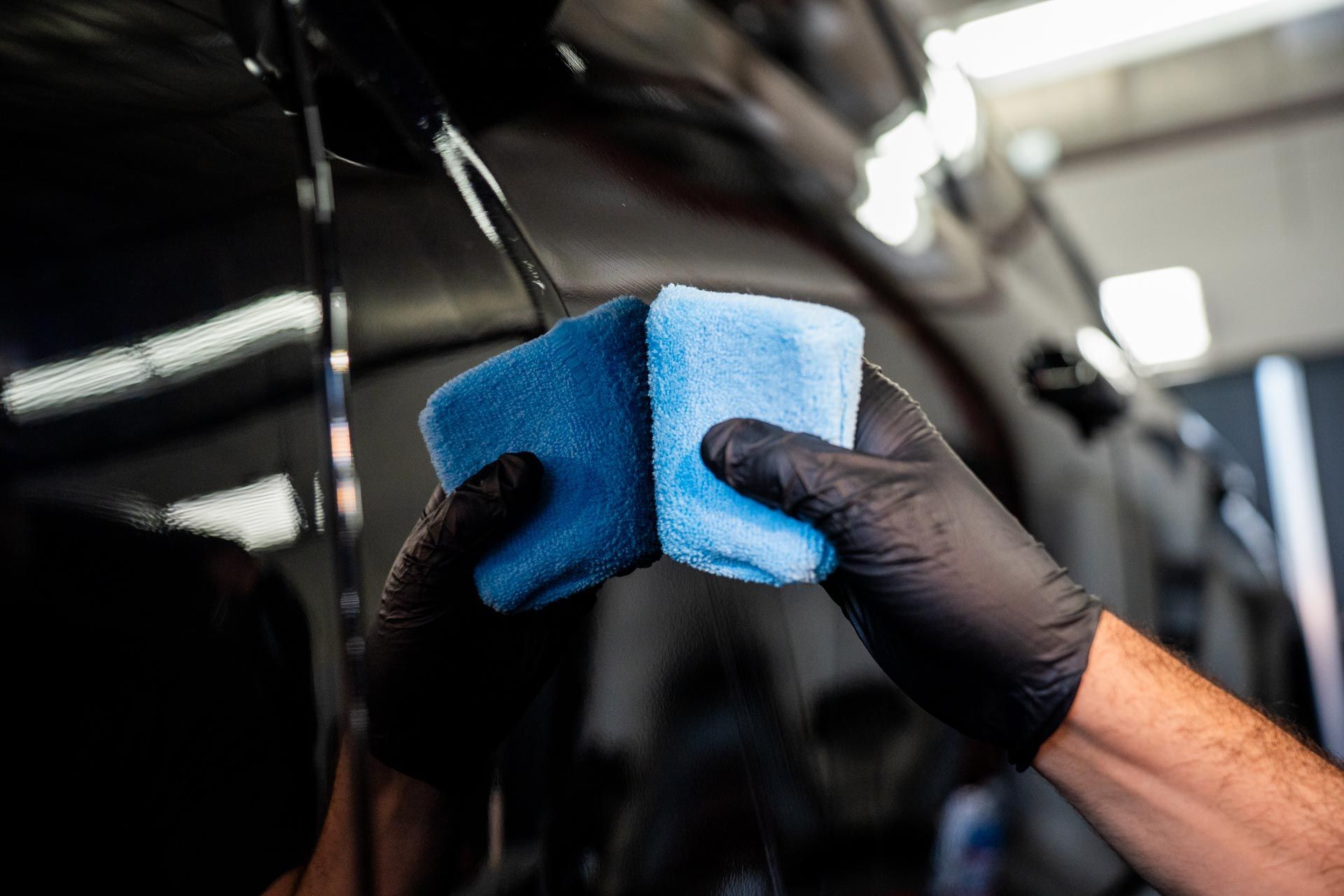
The active ingredient in most ceramic coatings is Silicon Dioxide (SiO2), a compound derived from quartz that utilizes nano-technology to penetrate the microscopic pores of your clear coat. When applied correctly, the SiO2 molecules undergo a chemical reaction called cross-linking, where they form strong covalent bonds with the paint's molecular structure. This isn't a temporary sacrificial layer that washes away. It's a semi-permanent enhancement that becomes part of your vehicle's surface.
This chemical bonding process is what separates professional ceramic coatings from consumer-grade spray sealants. The result is a surface with significantly reduced surface tension, creating those impressive water-beading characteristics and making your vehicle far more resistant to environmental contaminants, UV damage, and chemical etching.
The Three Stages of Curing
The curing process isn't a single event. It's a progression through three distinct phases, each with its own timeline and requirements.
Stage 1: The "Flash" (Initial Bonding), 30 Minutes to 2 Hours
The flash period is the initial phase where the solvent carrier within the ceramic coating begins to evaporate, allowing the SiO2 to start bonding with the clear coat. During this critical window, typically lasting between 30 minutes to 2 hours depending on environmental conditions, the coating transitions from a liquid to a gel-like state.
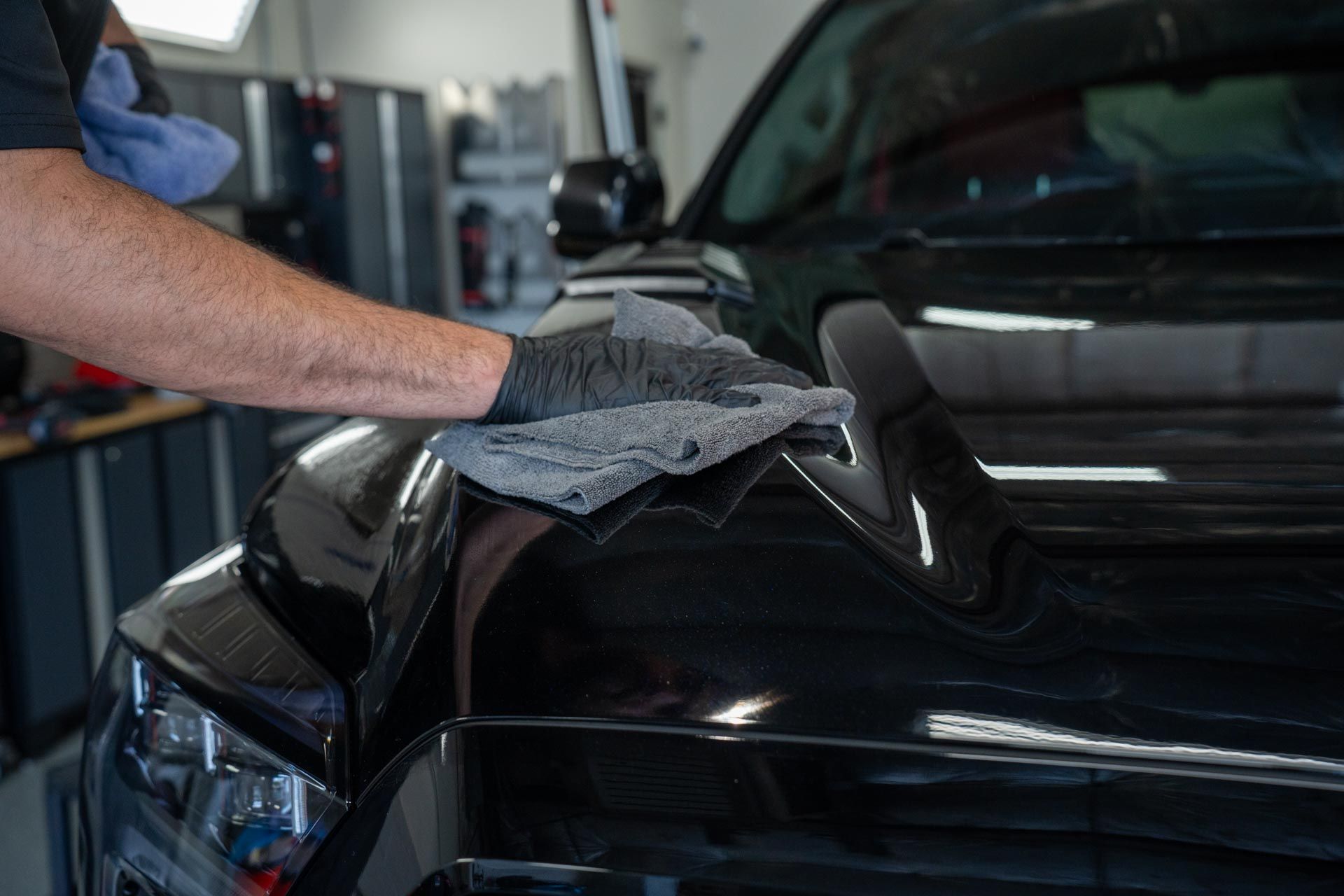
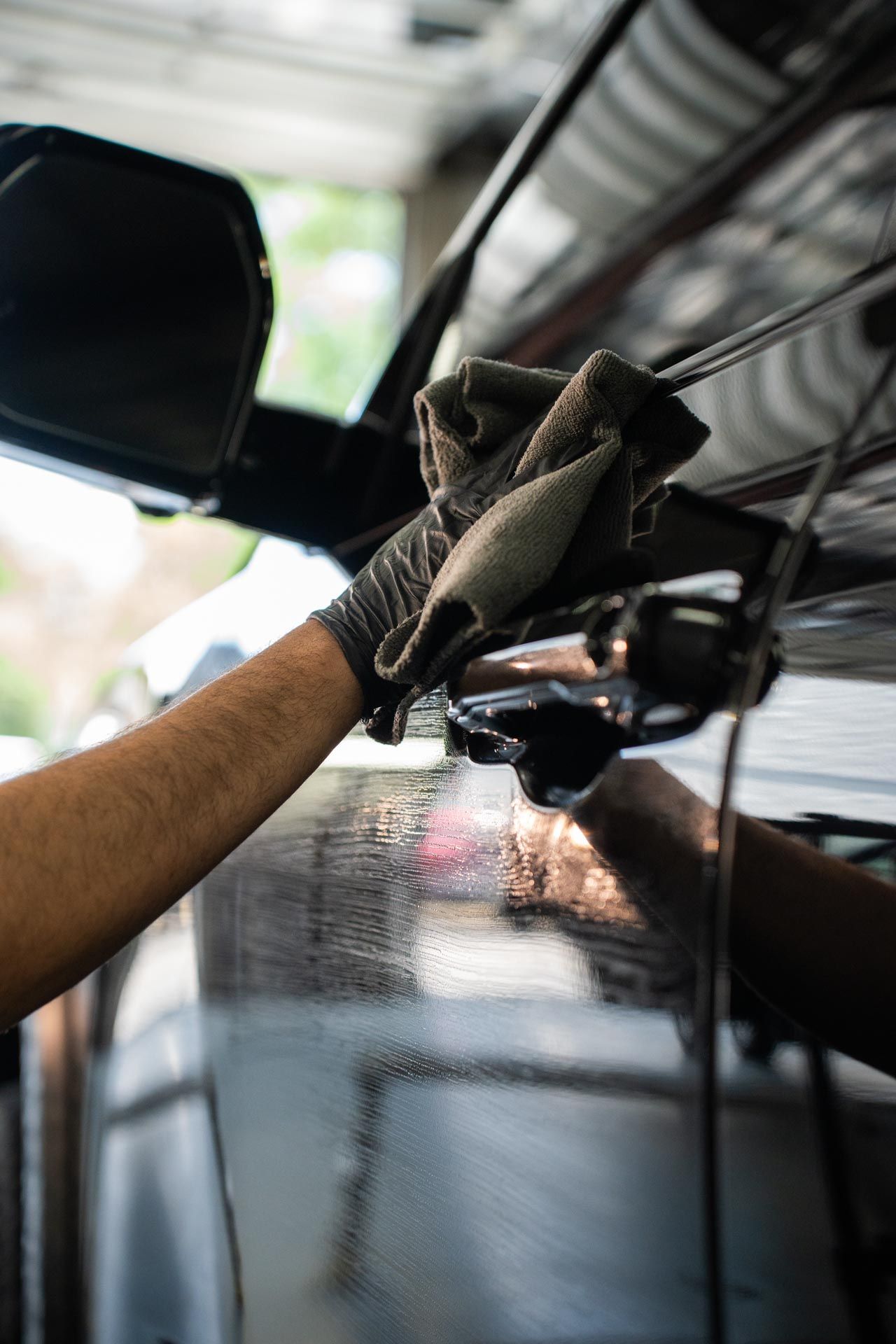
This is when professional detailers remove excess product using specialized microfiber towels. Proper buffing during the flash stage is crucial. Too early and you'll remove coating that hasn't bonded; too late and you'll struggle with high spots and streaking. This stage requires expertise to identify the precise moment when the coating has "flashed" correctly, which is why professional application yields superior results.
Stage 2: The Soft Cure (The 24-Hour Window)
After the initial flash, your ceramic coating enters the soft cure phase, typically lasting about 24 hours. During this period, the coating appears "touch dry" and the vehicle looks protected, but appearances can be deceiving. The chemical cross-linking process is still actively occurring at the molecular level, and the coating remains highly vulnerable to contamination.
This 24-hour window is the most critical period for coating preservation. Water exposure during this phase can interrupt the cross-linking reaction, potentially causing haziness, water spotting, or incomplete bonding. If your vehicle must be driven during this time, it should be kept in a covered garage and away from rain, dew, sprinkler systems, or any moisture source.
Stage 3: The Hard Cure (7 to 21 Days)
The final stage is where your ceramic coating achieves its maximum 9H hardness rating and full chemical resistance. This period typically ranges from 7 to 21 days, depending on the specific coating formula, environmental conditions, and application thickness.
During the hard cure, the coating is still "breathing," continuing to bond and densify at a molecular level. While the surface may feel hard to the touch, it remains sensitive to harsh chemicals, abrasive car washes, and acidic contaminants. The coating's hydrophobic properties will be present but not at full strength until this phase completes.
Think of it like concrete: it may be walkable after a day, but it takes weeks to reach full structural strength. The same principle applies to ceramic coatings.
Factors That Influence Curing Speed
Not all curing processes are created equal. Several environmental and technical factors can significantly impact how quickly your ceramic coating reaches full hardness.
Temperature plays the most significant role in curing speed. Heat accelerates the chemical reaction, which is why summer applications typically cure faster than winter ones. The ideal application temperature ranges between 60-80°F (15-27°C). Temperatures below 50°F can dramatically slow the curing process, potentially extending the hard cure phase to 4-6 weeks.
Humidity presents an interesting paradox. While high humidity can slow down the initial solvent evaporation during the flash stage, some coating formulas actually benefit from moderate moisture levels during the curing process. The presence of atmospheric water molecules can facilitate certain cross-linking reactions in specific SiO2 formulations. However, direct water contact during the soft cure phase should still be strictly avoided.
Infrared (IR) Lamps represent a professional advantage that can dramatically reduce curing times. At Right Choice Auto Spa, we utilize specialized IR curing equipment that applies controlled heat directly to the coated surface. This technology can reduce the soft cure period from 24 hours to as little as 2-3 hours and accelerate the hard cure process, allowing clients to return to normal vehicle use much sooner while still achieving optimal coating performance.
The "Golden Rules" During the Curing Phase
Following these critical guidelines during the curing period will determine whether your ceramic coating achieves its full potential or underperforms.
No Washing: This is non-negotiable. Avoid all soaps, detergents, and pH-neutral shampoo for at least 7-14 days after application. Even gentle hand washing can introduce chemicals that interfere with the cross-linking process or physically disturb the coating before it has fully hardened. If your vehicle gets dusty, use a soft microfiber towel to gently remove loose particles, but avoid any rubbing or pressure.
Avoid Environmental Contaminants: Bird droppings, tree sap, insect remains, and hard water from sprinkler systems are particularly dangerous during the curing phase. These substances contain acids and minerals that can etch into a soft coating, creating permanent blemishes. If contamination occurs, remove it immediately by gently blotting (never rubbing) with a damp microfiber towel, then allow the area to air dry.
The Rain Rule: If unexpected rain occurs within the first 24 hours and you cannot shelter the vehicle, damage control becomes essential. As soon as possible, gently dry the vehicle using a plush, high-quality microfiber towel. Pat the surface dry rather than wiping to minimize physical disruption to the coating. Do not let water sit and air-dry, as this will almost certainly cause water spotting that may become permanent in the incompletely cured coating.
Why Professional Application Matters for Curing
The difference between DIY and professional ceramic coating application becomes most apparent during the curing process. Professional detailers operate in controlled environments where temperature, humidity, and contamination risks are minimized. This controlled setting ensures optimal conditions for each curing stage.
Perhaps more importantly, professional applicators possess the expertise to identify when the coating has "flashed" correctly, that critical window between liquid and solid state where excess product must be buffed away. Misjudging this moment by even a few minutes can result in high spots, streaking, or incomplete bonding that compromises the entire application.
Professional-grade coatings also often include more advanced formulations than consumer products, with superior cross-linking agents and longer-lasting protection. When combined with proper paint correction before application and expert technique during installation, the results simply cannot be replicated with a DIY approach.
Protect Your Investment with Professional Expertise
Understanding the ceramic coating curing process is the first step toward maximizing your investment's longevity and performance. However, knowledge alone cannot replace the controlled environment, professional equipment, and expert technique that ensure perfect results.
Ready to protect your vehicle with a professional-grade coating? Contact Right Choice Auto Spa today for a quote and let our experts handle the curing process in a controlled environment. Our team uses advanced IR curing technology and follows strict protocols to ensure your ceramic coating achieves maximum 9H hardness and provides years of superior protection. Don't risk a DIY application. Trust the professionals who understand the science of curing.
Frequently Asked Questions
Can I drive my car 24 hours after ceramic coating?
Yes, you can typically drive your car 24 hours after application, but the coating is still in the "soft cure" phase. Avoid car washes and heavy contaminants for at least 7 days. If you must drive the vehicle, keep it garaged when parked and avoid parking under trees or in areas where bird droppings and tree sap are common.
What happens if it rains on a fresh ceramic coating?
If it rains within the first 24 hours, the water can interfere with the cross-linking process and cause water spotting or haziness. Dry the vehicle immediately and gently with a plush microfiber towel to prevent water spotting. Do not let the rain water air-dry on the surface, as the minerals in rainwater can etch into the incompletely cured coating.
How soon can I wash my car after ceramic coating?
You should wait at least 7 to 14 days before your first wash to ensure the coating has reached full 9H hardness. When you do wash, use only pH-neutral shampoo specifically designed for ceramic-coated vehicles, and avoid automatic car washes with harsh chemicals or abrasive brushes.